
The Hidden Costs of Ignoring Minor Toilet Repairs
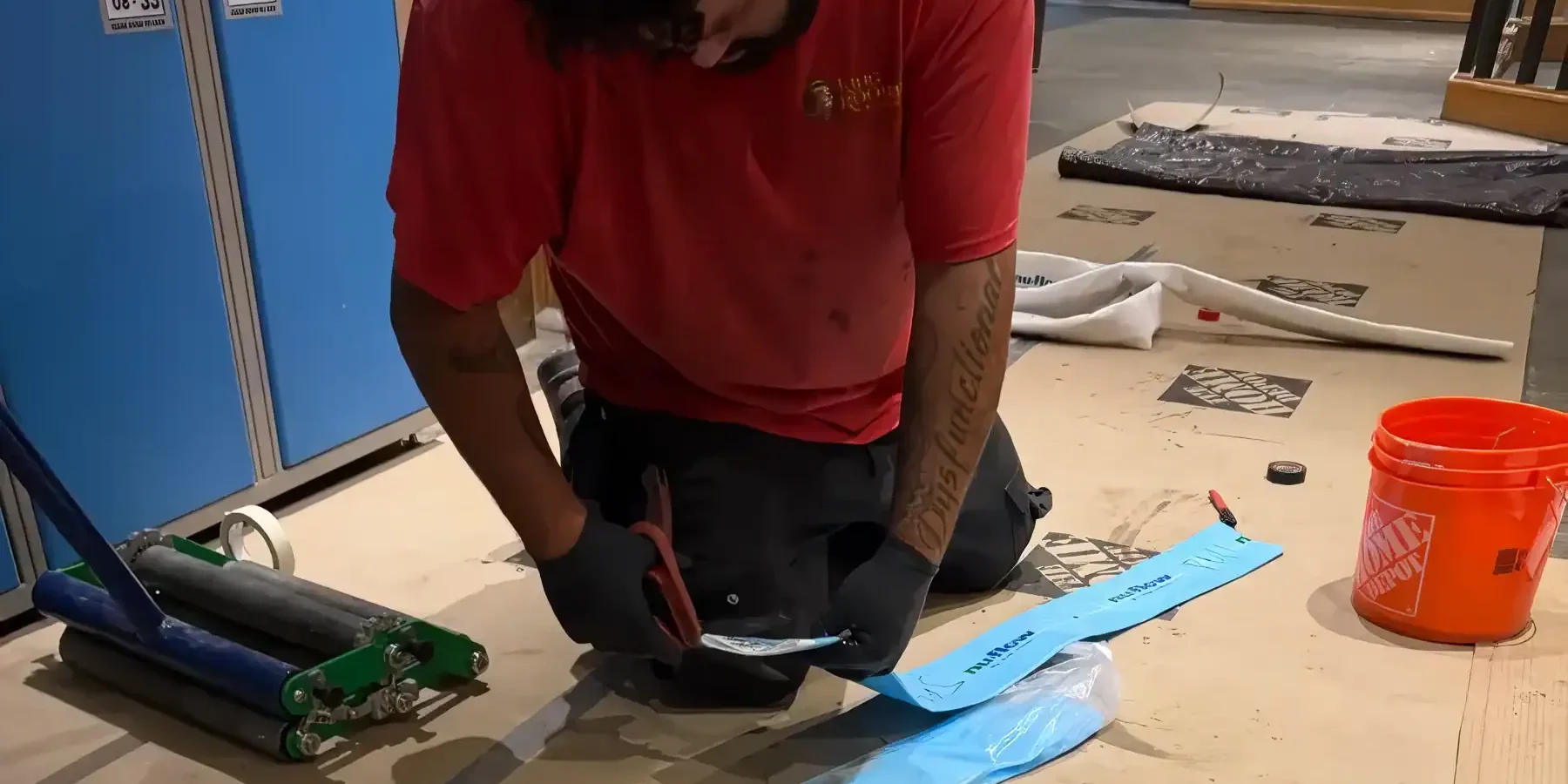
If your toilet runs a bit too long or wobbles when you sit down, it probably doesn’t seem urgent enough to call a plumber. It still works, so it feels easier to ignore the problem than to schedule a repair.
It’s understandable to think this way. However, small toilet problems often become more expensive the longer they go unfixed. Instead of a sudden breakdown, the costs build up slowly in hidden places, turning a simple repair into a much bigger job over time.
In this blog, we’ll break down the real costs of ignoring minor toilet repairs and show why fixing small issues early can help you avoid expensive surprises later.
The Water Bill Climbs Without an Obvious Reason
A running toilet can waste up to 200 gallons of water per day. That adds up to over 6,000 gallons per month. Depending on local water rates, that translates to $50 to $100 or more added to the monthly bill. Over a year, the wasted water alone can cost $600 or more.
The fix, in most cases, is a flapper or fill valve replacement. The part costs $10 to $30. The plumbing repair takes less than an hour. The cost of the repair is almost always less than a single month of the water it would have wasted if left alone.
According to the American Water Works Association, about one in five toilets is leaking at any given time. Many of those leaks are silent, meaning the homeowner does not hear running water at all. The only sign is the water bill creeping upward month after month.
The Wax Seal Fails Silently
A toilet that rocks slightly on its base is easy to dismiss. It still flushes fine. Nothing appears to be leaking on the floor. So the wobble gets ignored.
But what is happening underneath is different.
The wax ring that seals the toilet to the drain flange is being compressed unevenly with every use. Over time, that movement breaks the seal. Water begins escaping beneath the base with every flush, but instead of pooling visibly on the bathroom floor, most of it travels downward into the subfloor.
A failed wax seal can leak for months without any visible sign on the surface. The subfloor underneath softens, warps, and begins to rot. Mold can develop in the space between the finished floor and the structural layer beneath it within 24 to 48 hours of consistent moisture.
Replacing a wax ring costs very little and takes about an hour. Replacing a subfloor that has been absorbing water for six months is a different scope of work entirely. Costs often run $400 to $1,200 or more, depending on the extent of the damage.
Components Wear Faster Under Stress
A minor toilet issue that is left in place does not just stay minor. It puts stress on the components around it, which accelerates wear across the system.
- A flapper that does not seal properly forces the fill valve to cycle more frequently. That extra cycling wears out the fill valve faster than normal operation would.
- A fill valve that runs too long raises the water level, which increases pressure on the flapper and the flush valve seat.
Each failing component puts additional load on the ones still working.
What starts as a single worn part can cascade into multiple component failures if it is left in place long enough. A $15 flapper replacement that was ignored for a year can turn into a full internal rebuild that costs several times more.
Water Damage Spreads Beyond the Bathroom
When a toilet leak reaches the subfloor, the damage does not always stay contained to the bathroom. Water follows gravity and the path of least resistance.
In a second-story bathroom, a leak at the base of the toilet can travel through the subfloor. It often appears as a stain or soft spot on the ceiling of the room below. In a first-floor bathroom on a slab foundation, the moisture sits against the concrete and can promote mold growth in the surrounding area.
Hidden leaks from toilet base failures can cause $2,000 to $8,000 in structural and water damage when they go undetected long enough. That figure includes subfloor replacement, mold remediation, and, in some cases, ceiling repair in the room below. All of it traceable to a toilet that wobbled slightly and never got fixed.
Emergency Repairs Cost More Than Scheduled Ones
A minor toilet issue that is addressed on a scheduled visit during business hours costs a fraction of the same problem handled as an emergency.
A toilet that has been leaking slowly and finally gives way, flooding the bathroom floor, becomes an emergency plumbing call. After-hours rates, weekend surcharges, and the urgency premium of an active water event all increase the cost. The plumbing repair itself may be the same, but the circumstances around it double or triple the bill.
Beyond the plumber’s invoice, water damage from a toilet overflow may require professional cleanup. Flooring, baseboards, and drywall that have been saturated need to be dried, treated, or replaced. Insurance may cover some of the damage, but deductibles apply, and premiums often increase after a claim.
The homeowner who schedules a $100 repair during business hours avoids the homeowner who pays $500 or more for the same repair at midnight, plus the restoration costs that follow.
What “Minor” Looks Like Before It Becomes Major
A few signs indicate that a toilet repair should be scheduled sooner rather than later:
- The toilet runs intermittently or continuously after flushing. Water is leaking past the flapper, and the fill valve is compensating.
- The toilet rocks or shifts when you sit down. The wax seal is compressed unevenly and may already be leaking underneath.
- The base of the toilet feels damp, or the caulk around it has discolored. Moisture is reaching the surface from below.
- The water bill has increased without a change in usage. A silent leak is the most likely culprit.
- The handle sticks, the flush feels weak, or the tank takes longer to refill. Internal components are wearing and need evaluation.
None of these are emergencies today. All of them become more expensive if they are still present six months from now.
Fix It While It Is Still Small
Minor toilet repairs are among the simplest, fastest, and least expensive jobs in residential plumbing.
A flapper, a fill valve, a wax ring, or a handle mechanism can be replaced in under an hour. The cost is a fraction of what the damage runs when the repair is delayed.
If something about your toilet has changed and you have been putting off the call, King Rooter & Plumbing can take care of it before it becomes a bigger problem. We have been serving Denver and the surrounding communities since 2007 with plumbing services built around honest assessments and straightforward pricing.
Give us a call and let us handle the small repair before it turns into an expensive one.
Ask Question
"*" indicates required fields
