
7 Warning Signs Your Sewer Line Needs Immediate Repair
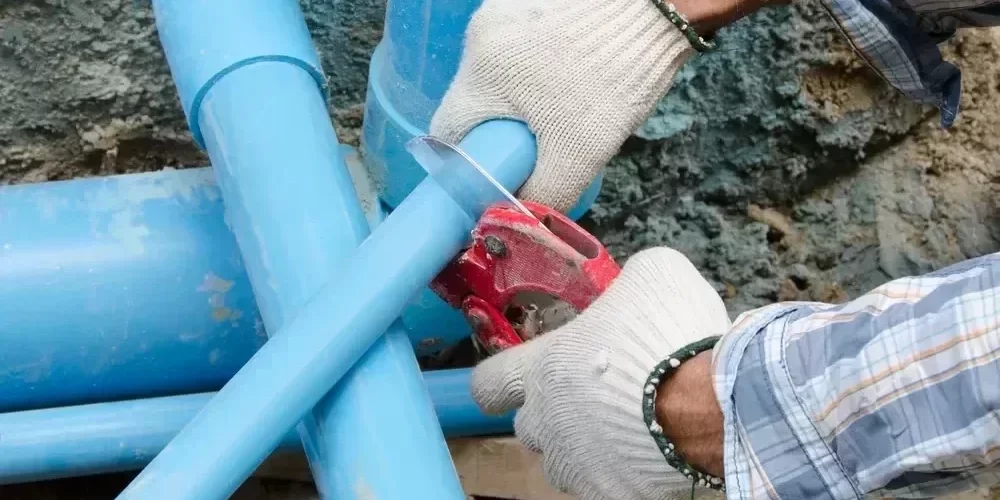
When one drain acts up, it is easy to explain. When multiple things start happening at the same time, the explanation gets harder.
A slow drain in one bathroom. A gurgling sound from a toilet you did not flush. A smell near the yard that was not there last month. Individually, each one feels like a small thing. Together, they start to form a pattern that points somewhere specific.
Most homeowners hold on to that pattern longer than they should, not because they are ignoring it, but because nothing has failed dramatically enough to force the call. That wait is exactly how sewer line problems go from manageable to expensive.
Knowing which signs actually warrant a plumber‘s attention is what separates getting ahead of the damage from reacting to it. Here are the seven that matter most.
Why Sewer Line Problems Are Easy to Miss Until They Are Not
Sewer line damage rarely announces itself all at once, which is exactly why knowing what to watch for changes the outcome.
The system is designed to be invisible. Pipes are buried. Flow happens out of sight. When something goes wrong in the main line, the first signs show up indirectly through the fixtures inside your home. But they look like fixture problems, not line problems. That is what makes them easy to misread.
A clog that clears with a plunger seems handled. A smell that fades after running water seems like nothing. The symptoms come and go just enough to feel manageable. Meanwhile, the actual condition in the line keeps progressing because nothing about the surface-level response points deeper.
That is why a camera inspection is always the right first step before any sewer repair recommendation is made. It shows the actual condition rather than letting the symptoms guess at it.
The 7 Warning Signs Your Sewer Line Needs Immediate Repair
These are not minor inconveniences to monitor over time. Each one points to a condition inside the line that a plumber needs to evaluate.
1. Multiple drains are backing up at the same time
When a single drain backs up, the problem is usually local to that fixture. When two or more drains slow down or back up around the same time, the restriction is almost certainly in the main sewer line. That is the shared pathway all of your fixtures drain into. A blockage or collapse there affects everything connected to it simultaneously, and no amount of clearing at the fixture level will resolve what is happening further down the line.
What a plumber checks: A camera is run through the main line to locate where the restriction begins, how extensive it is, and whether it is a blockage, a collapse, or a structural issue that clearing alone will not fix.
2. Gurgling sounds coming from toilets or drains
Gurgling is the sound of air being pushed back through the system. It happens when water, trying to move through a restricted or partially blocked line, displaces air upward through the nearest opening. A toilet that gurgles after a shower run, or a drain that makes noise when a washing machine empties, is telling you that something is limiting flow in the shared line below. It is one of the earliest and most reliable indicators that the main sewer line needs attention.
What a plumber checks: The plumber traces the source of the gurgling and assesses whether the air displacement is due to a partial blockage, a venting issue, or early-stage root intrusion narrowing the line. The distinction matters because each cause has a different repair path.
3. Sewage odor inside or outside the home
A properly functioning sewer line is sealed. Odors stay trapped inside the pipe and move out through the municipal system. When that seal breaks down, the smell finds its way back into the home or yard. There are two situations that cause this:
- A packed or heavily blocked line forces sewage gas back up through your drains and into the living space. The blockage creates pressure with nowhere to go, and the path of least resistance is back through the fixtures in your home.
- A cracked or separated pipe allows sewer gas to escape directly into the surrounding soil. From there, it can seep upward into the yard or back into the home through foundation gaps or floor drains.
Both situations produce the same result: a persistent sewage or rotten egg smell that does not go away on its own. The cause determines the fix, and only a proper inspection can tell which one you are dealing with.
What a plumber checks: The plumber first determines whether the odor is coming from a blockage pushing gas backward or a breach allowing it to escape. That distinction drives everything. A blocked line needs clearing and assessment. A cracked or separated line needs to be located, evaluated, and repaired before gas continues entering the home.
4. Water backs up into other fixtures when you use one
This sign is different from multiple drains slowing down at the same time. What makes this specific is the trigger and response pattern. One action in your home causes an immediate reaction somewhere else.
- You flush the toilet, and water rises in the shower or bathtub.
- The washing machine drains, and a nearby floor drain backs up.
- You run the kitchen sink and hear activity in a bathroom drain.
That chain reaction happens because the main sewer line is so restricted that water from one fixture has nowhere to go except backward through the nearest available opening. It is a more advanced and urgent stage than general drain slowness. The system is not just struggling. It is actively redirecting waste back into the home.
What a plumber checks: The plumber identifies how far down the main line the restriction has developed and what is causing it. A grease mass, a root cluster, and a pipe offset each behave differently inside the line and require a different repair approach. Getting this wrong means the problem returns quickly, which is why the camera inspection comes before any clearing or repair work begins.
5. Unusually green or soggy patches in the yard
The sewer line runs beneath your yard on its way to the municipal connection. If a section of that line has cracked or separated, wastewater leaks steadily into the surrounding soil. That moisture acts as a fertilizer, which is why grass directly above a damaged line often grows noticeably greener or lusher than the rest of the yard. Soft or spongy ground in the same area reinforces the picture. Neither condition resolves on its own, and both tend to worsen as the damage continues beneath the surface.
What a plumber checks: The plumber maps the sewer line path relative to the affected yard area and runs a camera to confirm the leak location. Soil saturation and pipe condition at the breach point are both assessed before deciding whether trenchless repair is viable or whether excavation is necessary.
6. Cracks or sinkholes forming near the sewer line path
When a sewer line leaks consistently over time, it saturates and gradually erodes the soil around it. That erosion removes the structural support the ground provides, which can cause the surface above to settle, crack, or, in more advanced cases, collapse inward. A visible depression or sinkhole forming along the path where your sewer line runs is a sign that significant underground damage has already occurred. This is not a situation to monitor over a few more weeks. The ground shifting above a compromised line means the damage is progressing.
What a plumber checks: Given the severity this sign usually indicates, the plumber evaluates both the pipe condition and the extent of soil displacement around it. The goal is to understand how much of the line is affected and whether the surrounding ground has been destabilized enough to influence the repair method chosen.
7. Persistent slow drains that do not respond to clearing
A drain that slows once and clears fully after treatment is dealing with a localized blockage. A drain that slows repeatedly, or never quite returns to full flow, no matter what is tried, is dealing with something deeper. Root intrusion, a partially collapsed pipe section, or heavy internal buildup all produce this pattern. The drain appears to improve temporarily, but the restriction remains in place. If the same drain keeps demanding attention within weeks of being cleared, another treatment is not the answer.
What a plumber checks: A camera inspection reveals whether the recurring restriction is caused by roots growing back through a joint, a pipe section that has deformed or dropped out of alignment, or buildup that standard clearing tools cannot remove. Each cause requires a different solution, and identifying the right one is what stops the cycle.
If more than one of these signs is present at the same time, or if any single sign has persisted for more than a few days without improvement, do not wait for the evaluation. Sewer line conditions that are caught early are almost always less disruptive and less costly to address than those that reach the point of full failure.
What These Signs Are Telling You
None of these signs exists in isolation. They are the sewer line’s way of communicating that something inside the system has changed, and that the window to address it cleanly is still open.
The question is not whether to get it checked. It is whether to act before the problem dictates the timeline.
A proper sewer services evaluation starts with a camera inspection. It identifies exactly what is happening inside the line, where the damage is, and what sewer line repair method fits the condition before any work begins.
At King Rooter & Plumbing, we run sewer camera inspections for homeowners who want that clarity before committing to anything. If you are seeing one or more of these signs, schedule an inspection and find out what is actually happening inside the line.
Ask Question
"*" indicates required fields
